Hemicellulase Enzyme for Biofuel Xylan Hydrolysis
Release fermentable pentose sugars from agricultural biomass hemicellulose for second-generation ethanol production using a high-activity xylanase hemicellulase complex.
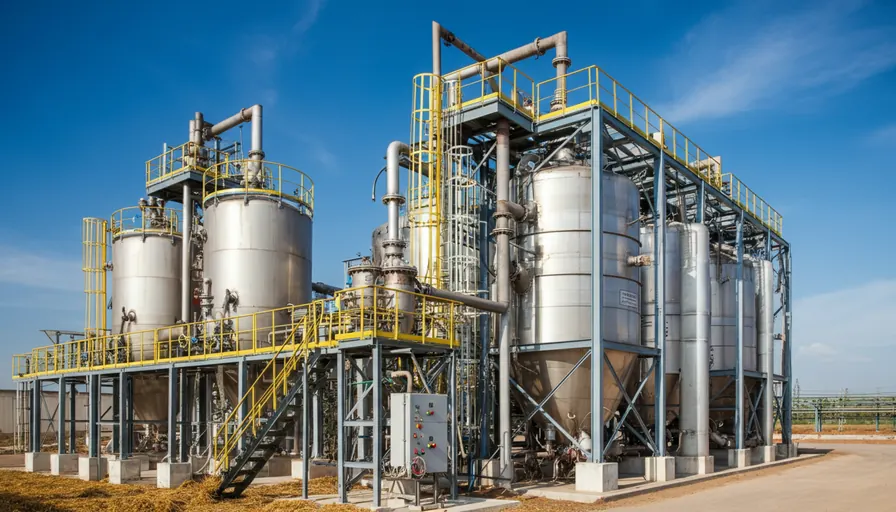
Second-generation (2G) bioethanol production from lignocellulosic biomass — agricultural residues such as wheat straw, corn stover, sugarcane bagasse, and rice husks — requires complete saccharification of both cellulose and hemicellulose fractions to maximise fermentable sugar yield. While cellulase enzymes convert cellulose to glucose, the hemicellulose fraction — comprising 20–30% of dry biomass weight — is primarily xylan in agricultural residues, and this must be hydrolysed to xylose and arabinose (C5 pentose sugars) for efficient fermentation. Hemicellulase, the dual xylanase (EC 3.2.1.8) and mannanase (EC 3.2.1.78) complex, is the primary enzyme for this xylan hydrolysis step. Endo-xylanase cleaves the xylan backbone at internal beta-1,4 linkages, releasing xylo-oligosaccharides that are further hydrolysed to xylose by beta-xylosidase activity in the broader enzyme cocktail. In biomass conversion, hemicellulase is typically applied after thermochemical or steam explosion pretreatment, which disrupts the lignin matrix and exposes the hemicellulose and cellulose. Effective xylan conversion requires pH 4.5–6.0 and 45–55°C in enzymatic hydrolysis reactors, with hemicellulase dosed alongside cellulase at 5–20% of the total enzyme protein loading in the cocktail. Hemicellulase supplementation in biomass hydrolysis improves total reducing sugar yield by 8–15% compared to cellulase alone, and reduces cellulase loading requirements by facilitating access to cellulose fibres previously covered by xylan chains. For biofuel R&D teams and process engineers evaluating xylanase for lignocellulosic conversion, procurement metrics include endo-xylanase activity (U/g), operating stability at acidic pH, compatibility with cellulase blends, and whether beta-xylosidase activity is included. Our hemicellulase is produced by Trichoderma longibrachiatum, supplied at 10,000–50,000 U/g xylanase basis, and is fully characterised for biomass application conditions.
Wheat Straw and Corn Stover Hydrolysis
Agricultural cereal residues contain 20–28% xylan in the hemicellulose fraction. After dilute acid or steam explosion pretreatment, hemicellulase at 10–20 U/g substrate releases xylose from the solid fraction while cellulase acts on cellulose. Combined saccharification at pH 4.8–5.2 and 50°C for 48–72 hours typically achieves xylan conversion >75%, contributing 8–15% more total fermentable sugar versus cellulase-only hydrolysis.
Sugarcane Bagasse C5 Sugar Recovery
Sugarcane bagasse from the sugar industry contains 22–24% hemicellulose, predominantly glucuronoarabinoxylan. Hemicellulase in the enzymatic saccharification step converts the xylan-rich solid to fermentable pentose sugars for C5 fermentation using xylose-fermenting yeast. Dosage at 15–25% of total enzyme protein in the cocktail, at pH 5.0 and 50°C, supports high xylose yield from the solid residue.
Pretreatment Liquor Oligosaccharide Conversion
Steam explosion and hot water pretreatment generates xylo-oligosaccharides in the pretreatment liquor that cannot be directly fermented. Supplemental hemicellulase added to the liquor fraction at mild conditions (pH 5.0, 45°C, 4–8 hours) converts these oligomers to fermentable xylose, improving overall C5 yield without additional acid treatment.
Synergistic Action with Cellulase Cocktails
Xylan chains physically shield cellulose microfibrils in the plant cell wall, reducing cellulase accessibility. Supplementing standard cellulase cocktails with hemicellulase at 10–15% of total enzyme protein loading improves cellulose conversion by 5–12% at the same total enzyme dose — effectively reducing cellulase cost per unit of glucose produced, which is the primary cost driver in enzymatic saccharification.
| Parameter | Value |
| Activity range | 10,000 – 50,000 U/g (xylanase basis) |
| Optimal pH | 4.5 – 6.0 |
| Optimal temperature | 45°C – 55°C |
| Form | Light brown powder |
| Shelf life | 12 months (sealed, cool, dry place) |
| Packaging | 25 kg drums / custom packaging |
Frequently Asked Questions
Why is hemicellulase needed in second-generation bioethanol production?
Lignocellulosic biomass contains 20–30% hemicellulose, primarily xylan in agricultural residues. Cellulase alone cannot convert xylan — it requires hemicellulase (xylanase) to cleave the beta-1,4 xylan backbone into xylose and short-chain oligomers. Without hemicellulase, this fraction is left unfermented, reducing total ethanol yield significantly. Hemicellulase also improves cellulose conversion by removing xylan that shields cellulose fibrils from cellulase access.
What is the typical hemicellulase dosage in biomass enzymatic hydrolysis?
Hemicellulase is typically dosed at 5–20% of total enzyme protein in the saccharification cocktail, depending on the xylan content of the pretreated substrate and the target xylose yield. For wheat straw or corn stover at 10–15% solids loading, endo-xylanase activity of 10–20 U/g substrate is a common starting point. Dose optimisation should be performed for each biomass type and pretreatment method, as these significantly affect substrate accessibility.
What pretreatment methods work best with hemicellulase xylan hydrolysis?
Steam explosion, dilute acid pretreatment, and liquid hot water (LHW) pretreatment all disrupt the lignin-hemicellulose matrix and expose xylan for enzymatic hydrolysis. Steam explosion tends to produce the most accessible substrate for hemicellulase due to fibre disruption and partial xylan solubilisation. Dilute acid pretreatment partially hydrolyses xylan in the pretreatment step, leaving a modified solid residue that may require lower hemicellulase dosing in the subsequent enzymatic stage.
What documentation is available for biofuel R&D procurement?
We provide COA with xylanase activity basis (endo-xylanase U/g by DNS method), TDS covering pH and temperature profiles, MSDS, and ISO 9001 certification. For R&D applications, we can supply characterisation data including pH stability curves, temperature stability data, and compatibility notes for use with standard cellulase cocktails. Custom activity grades within the 10,000–50,000 U/g range can be specified for pilot-scale trials.
Request Hemicellulase for Biofuel Hydrolysis
For manufacturers, distributors and resellers. Tell us the product or application (baking, feed, pulp, brewing, coffee, other), the quantity per order and per year, the destination country, and your process pH and temperature. We will recommend an activity grade, ship a 100 g free sample with COA and TDS, and quote bulk pricing within 24 hours.
Request a Quote